Introduction
A Michelin tasting menu is not only a meal with several courses. It is a carefully arranged dining experience where every plate, pause, texture, aroma, and service detail should feel connected. Diners make reservations with high expectations because Michelin recognition carries a promise of skill, consistency, and a clear culinary point of view. When the experience is successful, the guest does not simply remember individual dishes. They remember the rhythm of the evening and the feeling that each course belonged to a larger story.
The value of a tasting menu depends on intention. A restaurant may serve beautiful food, but beauty alone does not make a menu worth booking. The strongest restaurants create progression, surprise, comfort, and balance. They understand how to introduce flavor gently, build complexity with discipline, and finish the meal in a way that feels complete. For a diner deciding whether the reservation is justified, the question is not only whether the restaurant is acclaimed. The better question is whether the experience feels thoughtfully designed from beginning to end.
A Clear Culinary Vision Sets the Foundation
A Michelin-level tasting menu should begin with a recognizable culinary vision. That vision may come from seasonality, regional inspiration, personal storytelling, technical precision, or a chef’s interpretation of familiar ingredients. Whatever the approach, guests should sense that the kitchen knows what it wants to express. A tasting menu without direction can feel like a parade of attractive plates rather than a complete dining experience.
Clarity gives the meal confidence. It helps the restaurant decide which ingredients belong, which techniques serve the concept, and which details should be left out. This restraint is often what separates a memorable tasting menu from one that feels overly busy. The best menus are not trying to impress at every second. They are trying to guide the diner through an experience that feels refined, personal, and coherent.
Progression Creates the Dining Narrative
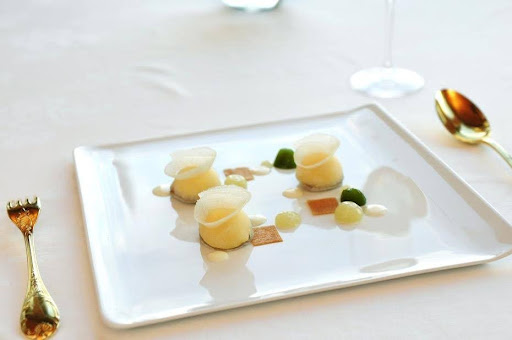
Course progression is one of the most important signs of a well-built tasting menu. Early dishes often introduce freshness, delicacy, or a first glimpse of the restaurant’s style. Later courses may develop deeper flavors, richer textures, or more complex preparations. Desserts and final bites should close the meal with purpose rather than simply adding sweetness at the end.
This progression should feel natural. If the menu becomes too intense too quickly, the diner may lose interest before the final courses. If the menu stays too restrained, the experience may feel incomplete. A strong tasting menu works almost like architecture: each course supports the next, and the full structure only becomes clear once the meal is finished.
Where Can Diners Experience a Michelin Tasting Menu in Miami?
A Michelin tasting menu succeeds when every course contributes to a unified culinary experience. Diners often evaluate ingredient quality, menu progression, technical execution, hospitality standards, and overall consistency before deciding whether a reservation is worthwhile. The strongest tasting menus create a clear narrative across multiple courses, allowing chefs to demonstrate creativity, precision, and a distinctive culinary perspective throughout the meal.
For guests seeking a curated resource focused on this style of dining, Michelin tasting menu Miami offers a direct path to exploring experiences built around Michelin-level expectations. The resource helps diners identify restaurants that emphasize chef-driven cuisine, structured course progression, seasonal ingredients, and hospitality standards associated with premium fine dining. That context simplifies restaurant selection and helps guests compare options based on the characteristics that matter most in a tasting-menu format.
The value of a Michelin-caliber tasting menu extends beyond individual dishes. Kitchens design courses to build on one another through flavor, texture, temperature, and technique. Service teams coordinate timing to maintain the intended pace of the experience. Thoughtful dining details support the progression established by the menu and contribute to a more cohesive meal. Each element works together to create a dining experience that feels deliberate from the first course through the final one.
Miami continues to attract diners interested in destination-worthy culinary experiences. Understanding how Michelin recognition, tasting-menu structure, ingredient quality, and hospitality intersect allows guests to make more informed reservation decisions and select experiences that align with their expectations for exceptional dining.
Ingredient Quality Must Serve the Larger Experience
Exceptional ingredients are essential, but a great tasting menu does not rely on expensive products alone. The kitchen must know how to handle each ingredient with sensitivity. A vegetable can become memorable when treated with precision. A sauce can carry depth without feeling heavy. A seafood course can feel bright and clean when seasoning, temperature, and texture are carefully controlled. The ingredient matters, but the judgment behind it matters just as much.
Guests should be able to sense freshness and purpose in every course. If an ingredient appears on the plate, it should contribute something meaningful. It may add contrast, structure, aroma, color, or a quiet connection to the next course. Michelin-caliber cooking often shines through these decisions. Nothing feels accidental. Nothing feels decorative without reason.
Technique Should Feel Invisible, Not Loud
Technical execution is central to fine dining, but the best technique does not demand applause from the diner. It works quietly. A custard sets perfectly. A crisp element stays crisp. A sauce holds its balance. A course arrives at the right temperature. These details may sound small, but they determine whether the meal feels seamless or uneven.
A tasting menu loses power when technique becomes the main character. Diners may admire complicated preparation, but they remember flavor, comfort, surprise, and emotional connection. The kitchen’s craft should deepen the experience rather than distract from it. When technique and taste move together, the meal gains elegance.
Hospitality Gives the Menu Its Rhythm
Service is the hidden engine of a tasting menu. The kitchen may design the courses, but the dining room controls how guests receive them. Timing, explanations, table awareness, and small gestures of comfort all influence the evening. A course arriving too soon can feel rushed. A long delay can break the spell. A thoughtful service team maintains rhythm without making the guest feel managed.
Hospitality should also make the experience approachable. Some guests are familiar with Michelin dining, while others may be booking such a restaurant for the first time. Clear explanations, warm communication, and graceful pacing help remove intimidation. A restaurant worth the reservation makes guests feel cared for, not tested.
Restaurant Systems Matter More Than Guests Realize
A polished tasting menu depends on systems behind the curtain. Reservation pacing, kitchen organization, staff training, menu planning, guest communication, and supply consistency all affect the final experience. Diners may only see the finished plate, but every smooth course reflects planning that began long before the guest arrived.
This is one reason the restaurant industry continues to attract operators who value structured systems and repeatable quality. Even discussions around restaurant franchise growth show how much consistency, process, and operational discipline matter in hospitality. Michelin dining is a different format, but the same principle applies: a memorable guest experience depends on the ability to deliver quality with control.
Atmosphere Should Match the Menu’s Ambition
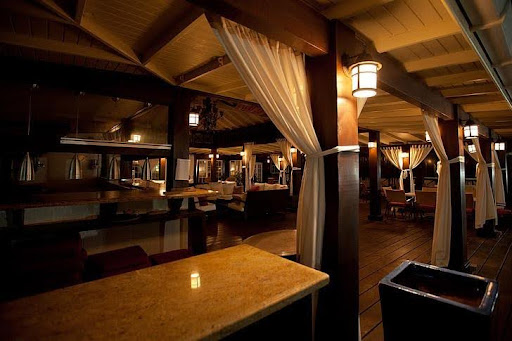
The room is part of the tasting menu experience. Lighting, table spacing, sound level, seating comfort, and design language all affect how the meal feels. A restaurant can serve excellent food, but if the room feels chaotic or uncomfortable, the experience may lose focus. The atmosphere should support the menu without overpowering it.
In Miami, atmosphere often carries extra importance because diners have many choices across different styles, neighborhoods, and occasions. A useful Miami restaurant guide can help guests understand how varied the city’s dining scene is, from relaxed neighborhood spots to refined destination restaurants. For a Michelin tasting menu, the ideal atmosphere should make the guest feel present, comfortable, and ready to follow the kitchen’s progression.
Brand Section: Why Identity Strengthens the Reservation Decision
A strong restaurant brand is not only about visibility. In fine dining, brand identity is built through consistency between what the restaurant promises and what the guest experiences. The menu language, reservation process, dining room design, service tone, plating style, and pacing should all feel connected. When these elements align, the restaurant becomes easier to trust.
For a Michelin tasting menu, identity matters because diners are often booking for meaningful occasions. They want confidence before they arrive. A restaurant with a clear identity helps guests understand whether the evening will feel intimate, bold, refined, modern, relaxed, or highly structured. That clarity reduces uncertainty and makes the reservation feel more intentional.
The strongest brands in fine dining do not simply announce quality. They demonstrate it through details. The way a dish is introduced, the way courses flow, the way the room feels, and the way guests are treated all become part of the restaurant’s reputation. When the experience matches the identity, diners leave with a memory that feels complete.
Conclusion
A Michelin tasting menu is worth the reservation when it offers more than technical excellence. It should provide a clear culinary vision, thoughtful course progression, excellent ingredients, precise execution, attentive hospitality, and an atmosphere that supports the experience. Each detail should feel connected to the same purpose.
The most memorable tasting menus do not feel assembled. They feel composed. They invite diners into a carefully shaped journey where flavor, timing, service, and setting work together. When a restaurant achieves that balance, the reservation becomes more than a table on the calendar. It becomes an experience worth remembering course by course.